Introduction: Sustainability Starts With Everyday Choices
What if living more sustainably didn’t require you to completely change your lifestyle?
For students, Sustainable & Eco-Friendly Living can start with surprisingly simple decisions: carrying a reusable water bottle, switching off unnecessary lights, avoiding food waste, walking short distances, buying only what you need and reusing items instead of throwing them away.
Students may have limited budgets, busy schedules and shared accommodation, which can make sustainability seem difficult. But sustainable living isn’t about being perfect. It’s about understanding how everyday choices affect resources, waste and the environment—and making practical improvements where possible.
From your classroom to your hostel, dormitory or apartment, there are many opportunities to develop more environmentally responsible habits.
The good news is that small individual actions can become more meaningful when many people adopt them together.
What Is Sustainable & Eco-Friendly Living?
Sustainable & Eco-Friendly Living means making lifestyle choices that aim to reduce unnecessary environmental impact while using resources more responsibly.
This can involve areas such as:
- Energy consumption
- Water use
- Transportation
- Food choices
- Shopping habits
- Waste reduction
- Recycling
- Reusing products
- Sustainable education and awareness
Sustainability doesn’t mean never buying anything, never using electricity or eliminating every form of waste.
Instead, it encourages us to think about how much we consume, what we consume and what happens to things after we’re finished with them.
For students, this approach can also encourage valuable habits such as budgeting, mindful consumption and resource management.
Why Should Students Care About Sustainable Living?
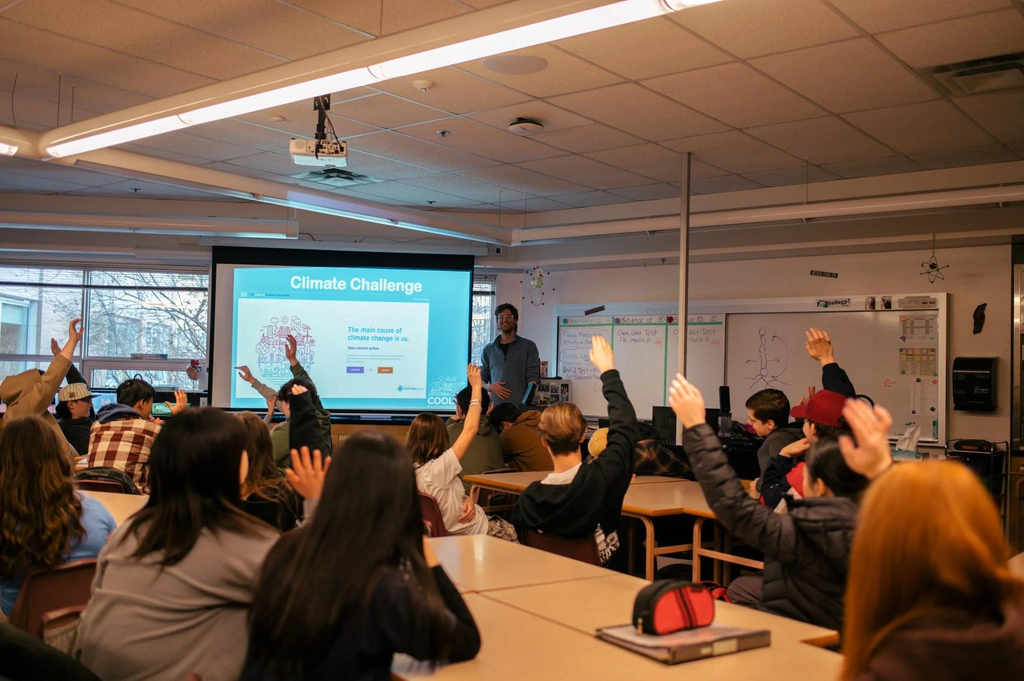
Students are not just consumers—they are future professionals, entrepreneurs, researchers, educators and community members.
The habits developed during student life can influence future lifestyles.
Learning about sustainability can also help students understand important issues such as:
- Climate change
- Resource conservation
- Waste management
- Biodiversity
- Sustainable consumption
- Renewable energy
- Environmental responsibility
Sustainability can also be practical from a personal perspective.
For example, repairing an item instead of immediately replacing it can save money. Walking or cycling for short journeys can reduce transportation costs. Planning meals can help reduce food waste and unnecessary spending.
So eco-friendly living and financially conscious living can sometimes overlap.
1. Reduce Energy Waste in Your Room
One of the easiest ways students can practice Sustainable & Eco-Friendly Living is by paying attention to energy use.
Develop simple habits such as:
- Turn off lights when leaving a room.
- Switch off appliances when they’re not needed.
- Avoid leaving chargers and electronics unnecessarily powered.
- Use natural light when practical.
- Keep doors and windows appropriately managed when heating or cooling is being used.
- Choose energy-efficient products when you need to replace something.
You don’t need to monitor every watt of electricity you use.
Instead, focus on eliminating obvious and unnecessary energy waste.
If you live in a hostel or shared accommodation, you can also encourage roommates to adopt simple energy-saving habits.
2. Reduce, Reuse and Recycle
The three Rs provide a simple framework for thinking about consumption.
Reduce
The first question should be:
“Do I really need this?”
Before buying another notebook, clothing item, gadget or accessory, consider whether you already have something that serves the same purpose.
Reuse
Look for ways to use things more than once.
Examples include:
- Reusable water bottles
- Reusable shopping bags
- Reusable food containers
- Refillable stationery
- Reusing notebooks where appropriate
- Donating unwanted clothing
Recycle
When an item can no longer be reused, check whether appropriate recycling facilities are available.
However, recycling systems vary by location, so students should follow the waste-sorting rules provided by their campus, municipality or local waste-management service.
Remember: recycling is useful, but reducing unnecessary consumption comes first.
3. Make Your Food Choices More Sustainable

Food is another area where students can make practical changes.
Start with food waste.
Before buying groceries, think about:
- What food do I already have?
- How much will I realistically eat?
- Can leftovers become another meal?
- Can I share surplus food safely?
- Can I store food properly to extend its usability?
Meal planning can help students avoid buying more food than they need.
You can also explore a wider variety of plant-based meals if they suit your dietary preferences, budget and nutritional needs.
Sustainable eating doesn’t need to mean following one specific diet.
Instead, focus on reducing avoidable waste and making thoughtful food choices.
4. Choose Greener Transportation When Practical
Transportation is another area where students can consider their environmental impact.
For shorter journeys, consider:
Walking → Cycling → Public transport → Carpooling → Individual car travel
Of course, the most suitable option depends on your location, safety, accessibility and schedule.
Walking or cycling can also provide physical activity, while public transportation can reduce the number of individual vehicles needed for a journey.
If you have a long commute, combining different transportation methods may be practical.
For example, you might walk to public transport and use a bus or train for the longer part of your journey.
The goal isn’t to eliminate cars completely.
It’s to consider whether a lower-impact alternative is practical for a particular journey.
5. Shop More Mindfully
Fast-changing trends can encourage students to purchase clothing, gadgets and accessories they may not actually need.
Before buying something, ask yourself:
“Will I still want or use this several months from now?”
A more mindful shopping approach can include:
- Buying durable products
- Repairing items when practical
- Buying second-hand
- Borrowing items you rarely use
- Choosing reusable products
- Avoiding unnecessary impulse purchases
- Donating usable items you no longer need
This approach can also benefit your student budget.
Instead of constantly buying replacements, you can focus on getting more value from the things you already own.
6. Make Your Study Routine More Eco-Friendly

Your study habits can also become more sustainable.
Consider using digital notes when appropriate instead of printing everything.
If you need to print:
- Print only what you need.
- Use double-sided printing when available.
- Reuse scrap paper for rough work.
- Recycle paper according to local guidelines.
You can also create a simple minimalist study environment.
Rather than constantly purchasing new stationery, organize what you already have.
Sustainability doesn’t have to look complicated.
Sometimes it simply means using something you already own instead of buying another one.
7. Save Water
Water can easily be wasted because it often seems unlimited when we turn on a tap.
Students can develop simple habits such as:
- Turn off the tap while brushing your teeth.
- Take reasonable-length showers.
- Report leaking taps or pipes to hostel or building management.
- Avoid unnecessary water use when cleaning.
- Reuse water where it is safe and appropriate.
If you live in shared accommodation, report leaks instead of assuming someone else will deal with them.
Small problems can become significant sources of waste if they’re ignored.
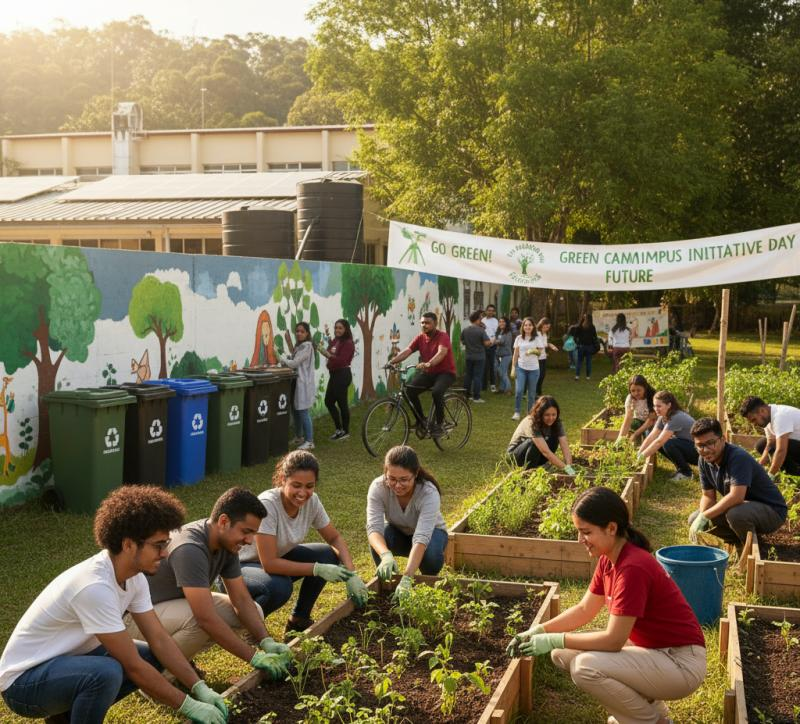
8. Create a Sustainable Campus Culture
Sustainability becomes more powerful when students work together.
You could participate in or organize:
- Campus clean-up activities
- Tree-planting initiatives
- Recycling awareness campaigns
- Sustainability clubs
- Clothing swaps
- Book-sharing programs
- Community gardens
- Environmental workshops
- Bicycle or walking initiatives
Students can also raise practical sustainability ideas with their college or university administration.
For example, students might advocate for better recycling facilities, water refill stations, energy-saving systems or responsible waste management.
You don’t have to lead a major environmental organization.
One useful idea shared with your community can start a larger conversation.
9. Avoid Greenwashing
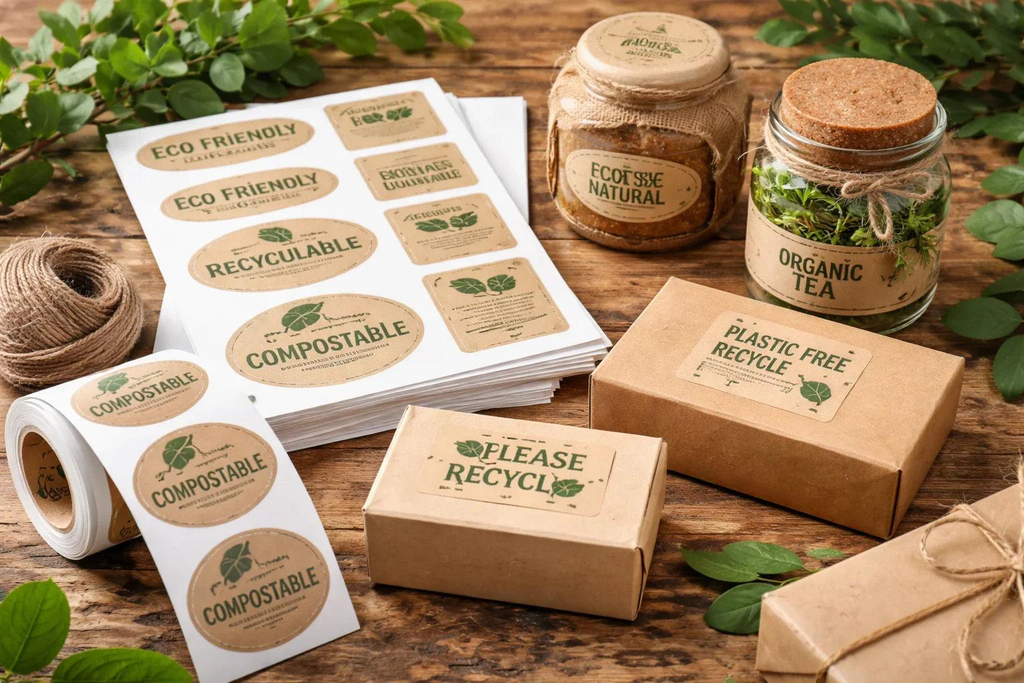
As sustainability becomes more popular, businesses increasingly use environmental language in marketing.
Students should therefore learn to distinguish meaningful environmental claims from vague promotional language.
Be cautious about claims such as:
- “100% green”
- “Completely eco-friendly”
- “Zero environmental impact”
- “Perfectly sustainable”
Look for specific information.
Ask:
What exactly makes this product more sustainable?
Is there information about materials, production, durability, packaging, energy use or end-of-life disposal?
Reliable sustainability claims should ideally be supported by clear evidence rather than simply attractive green branding.
This is an important part of becoming an informed consumer.
A Simple Sustainable Student Routine
You don’t need to change everything at once.
Try this simple weekly approach:
Every Day
- Turn off unnecessary lights.
- Carry a reusable bottle.
- Avoid unnecessary food waste.
- Use water thoughtfully.
- Take reusable bags when shopping.
Every Week
- Plan your meals.
- Review unnecessary purchases.
- Use public transportation or walk when practical.
- Donate or reuse items you no longer need.
- Participate in a campus sustainability activity.
Every Month
Ask yourself:
“What is one habit I can improve next month?”
Maybe it’s reducing food waste.
Maybe it’s buying fewer unnecessary products.
Maybe it’s walking more.
Maybe it’s reducing electricity consumption.
Progress matters more than perfection.
The E-E-A-T Perspective: Make Sustainability Information Trustworthy
When learning about environmental issues online, not every article or social-media post provides reliable information.
Students should develop the habit of checking:
Experience
Does the writer demonstrate practical understanding of the topic?
Expertise
Are environmental claims supported by appropriate knowledge or qualified sources?
Authoritativeness
Does the information come from a credible organization, university, research institution or recognized expert?
Trustworthiness
Are claims supported by evidence, references and transparent explanations?
For sustainability content, reliable sources can include government agencies, universities, scientific organizations, international institutions and peer-reviewed research.
This is particularly important when articles make specific claims about climate, environmental impacts or sustainability.
Conclusion: Start Small, Think Long-Term
Sustainable & Eco-Friendly Living isn’t about creating a perfect zero-waste lifestyle overnight.
It’s about becoming more conscious of the resources you use, the products you purchase and the waste you create.
As a student, you can start with simple actions:
Use less. Waste less. Reuse more. Travel thoughtfully. Save energy. Protect water. Make informed purchases.
And remember—sustainability doesn’t have to be expensive.
In many cases, some of the most environmentally responsible choices are also simple and economical: using what you already have, repairing things, avoiding unnecessary purchases, reducing food waste and choosing practical alternatives to disposable products.
Your individual actions are only one part of the larger sustainability challenge. Businesses, institutions and governments also play important roles.
But developing sustainable habits as a student can help you become a more informed consumer and an active member of your community.
Start with one habit today. Make it consistent. Then build from there.