How Students Can Start Earning Online: Skills, Platform & strategies
Introduction: Your Laptop Can Be More Than a Study Tool
Imagine being a student and realizing that your laptop isn’t only useful for attending classes, researching assignments or watching videos.
It can also become a tool for learning valuable skills, building a portfolio and finding legitimate opportunities to earn online.
Today, students can explore areas such as freelance writing, graphic design, video editing, social media management, web development, tutoring, virtual assistance and digital marketing.
But there’s an important distinction:
Earning online isn’t about finding a magic website that makes you rich quickly.
It’s about developing a useful skill, solving a real problem and finding people or businesses willing to pay for that solution.
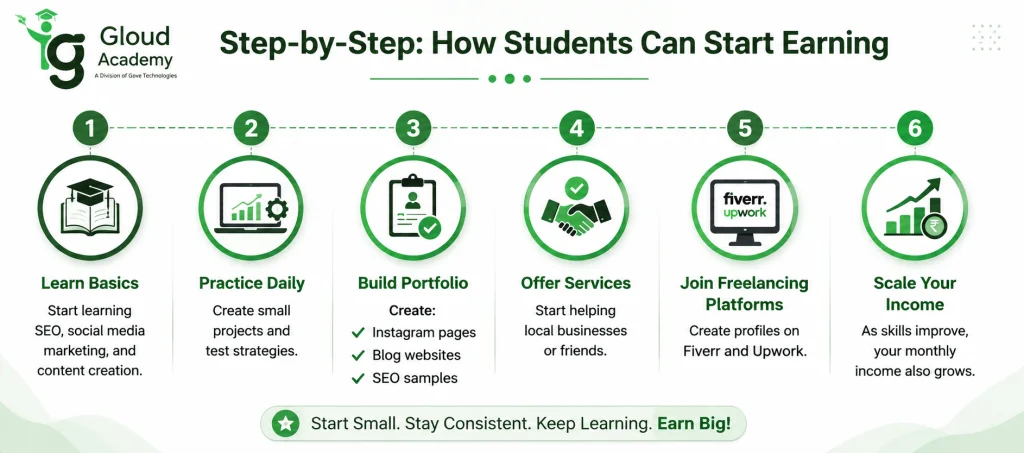
This guide explains how students can start earning online, which skills to consider, how online platforms work, strategies for finding opportunities and how to avoid common scams.
Why Should Students Consider Earning Online?Introduction: Your Laptop Can Be More Than a Study Tool
Imagine being a student and realizing that your laptop isn’t only useful for attending classes, researching assignments or watching videos.
It can also become a tool for learning valuable skills, building a portfolio and finding legitimate opportunities to earn online.
Today, students can explore areas such as freelance writing, graphic design, video editing, social media management, web development, tutoring, virtual assistance and digital marketing.
But there’s an important distinction:
Earning online isn’t about finding a magic website that makes you rich quickly.
It’s about developing a useful skill, solving a real problem and finding people or businesses willing to pay for that solution.
This guide explains how students can start earning online, which skills to consider, how online platforms work, strategies for finding opportunities and how to avoid common scams.
Why Should Students Consider Earning Online?

Online work can offer students something particularly valuable: experience.
Instead of waiting until graduation to discover how businesses operate, students can begin developing professional skills while studying.
Potential benefits include:
- Building practical experience
- Developing communication skills
- Creating a professional portfolio
- Learning how clients and businesses work
- Developing time-management skills
- Exploring potential career paths
- Generating legitimate income from useful work
However, earning online should complement your education rather than consistently interfere with it.
Start with a manageable workload and increase it as your skills and schedule allow.
Step 1: Choose a Skill People Actually Need
The first step isn’t choosing a platform.
It’s choosing what you can offer.
A platform can connect you with potential clients, but your skill is what creates value.
Here are some skills students can explore.
1. Content Writing
If you’re comfortable researching and writing, content writing can be an accessible starting point.
Possible services include:
- Blog posts
- Website content
- Product descriptions
- Social-media captions
- Email newsletters
- SEO articles
Start by creating 3–5 writing samples covering topics you understand.
2. Graphic Design
Students interested in visual creativity can learn tools such as Canva, Figma or professional design software.
You could create:
- Social-media graphics
- Presentations
- Posters
- Advertisements
- Thumbnails
- Simple brand assets
Your portfolio matters more than simply saying, “I know design.”
Show potential clients what you can actually create.
3. Video Editing
Short-form video has become an important format for many creators and businesses.
Students can learn:
- Video cutting
- Captions
- Transitions
- Basic motion graphics
- Audio editing
- Short-form content editing
Create sample Reels, Shorts or promotional videos to demonstrate your ability.
4. Digital Marketing
Digital marketing can provide several potential service areas.
Students can learn:
- SEO
- Social-media marketing
- Google Ads
- Meta advertising
- Email marketing
- Content marketing
- Analytics
- Lead generation
The advantage is that digital marketing contains multiple specializations, allowing you to gradually identify an area that suits your interests.
5. Web Development
Students interested in technology can explore:
- HTML
- CSS
- JavaScript
- WordPress
- Website maintenance
- Landing-page development
You don’t necessarily need to become an advanced developer before starting a portfolio.
A few well-designed practice projects can demonstrate your progress.
Step 2: Build Proof Before Looking for Clients
One of the biggest mistakes beginners make is creating a profile that says:
“I am a freelancer. Hire me.”
But clients want evidence.
What can you do?
Create a small portfolio.
For example, if you want to become an SEO writer, create:
Sample 1: 1,500-word SEO blog
Sample 2: Product description collection
Sample 3: Website homepage copy
If you want to become a social-media manager:
Sample 1: 7-day content calendar
Sample 2: Five social posts
Sample 3: Example monthly strategy
Your portfolio doesn’t always need to come from paid clients.
Clearly label practice or self-created projects as such.
Step 3: Explore Freelancing PlatformsOnline work can offer students something particularly valuable: experience.
Instead of waiting until graduation to discover how businesses operate, students can begin developing professional skills while studying.
Potential benefits include:
- Building practical experience
- Developing communication skills
- Creating a professional portfolio
- Learning how clients and businesses work
- Developing time-management skills
- Exploring potential career paths
- Generating legitimate income from useful work
However, earning online should complement your education rather than consistently interfere with it.
Start with a manageable workload and increase it as your skills and schedule allow.
Step 1: Choose a Skill People Actually Need
The first step isn’t choosing a platform.
It’s choosing what you can offer.
A platform can connect you with potential clients, but your skill is what creates value.
Here are some skills students can explore.
1. Content Writing
If you’re comfortable researching and writing, content writing can be an accessible starting point.
Possible services include:
- Blog posts
- Website content
- Product descriptions
- Social-media captions
- Email newsletters
- SEO articles
Start by creating 3–5 writing samples covering topics you understand.
2. Graphic Design
Students interested in visual creativity can learn tools such as Canva, Figma or professional design software.
You could create:
- Social-media graphics
- Presentations
- Posters
- Advertisements
- Thumbnails
- Simple brand assets
Your portfolio matters more than simply saying, “I know design.”
Show potential clients what you can actually create.
3. Video Editing
Short-form video has become an important format for many creators and businesses.
Students can learn:
- Video cutting
- Captions
- Transitions
- Basic motion graphics
- Audio editing
- Short-form content editing
Create sample Reels, Shorts or promotional videos to demonstrate your ability.
4. Digital Marketing
Digital marketing can provide several potential service areas.
Students can learn:
- SEO
- Social-media marketing
- Google Ads
- Meta advertising
- Email marketing
- Content marketing
- Analytics
- Lead generation
The advantage is that digital marketing contains multiple specializations, allowing you to gradually identify an area that suits your interests.
5. Web Development
Students interested in technology can explore:
- HTML
- CSS
- JavaScript
- WordPress
- Website maintenance
- Landing-page development
You don’t necessarily need to become an advanced developer before starting a portfolio.
A few well-designed practice projects can demonstrate your progress.
Step 2: Build Proof Before Looking for Clients
One of the biggest mistakes beginners make is creating a profile that says:
“I am a freelancer. Hire me.”
But clients want evidence.
What can you do?
Create a small portfolio.
For example, if you want to become an SEO writer, create:
Sample 1: 1,500-word SEO blog
Sample 2: Product description collection
Sample 3: Website homepage copy
If you want to become a social-media manager:
Sample 1: 7-day content calendar
Sample 2: Five social posts
Sample 3: Example monthly strategy
Your portfolio doesn’t always need to come from paid clients.
Clearly label practice or self-created projects as such.
Step 3: Explore Freelancing Platforms
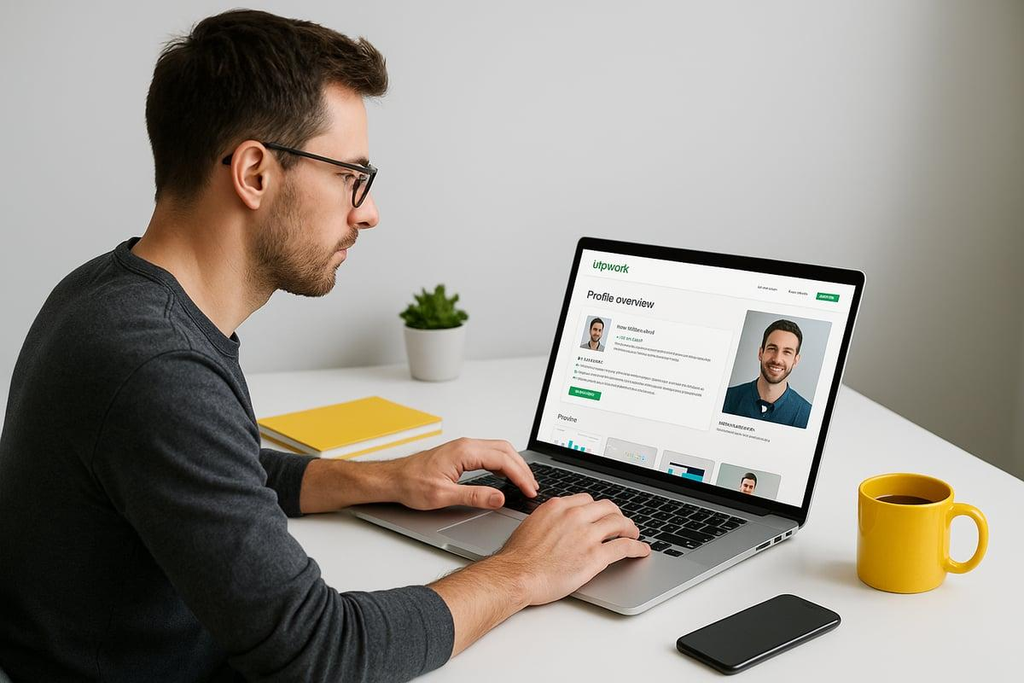
Once you have a skill and portfolio, you can explore online marketplaces and professional networks.
Examples include:
- Upwork
- Fiverr
- Freelancer.com
Each platform has its own rules, fees, competition and client-acquisition process, so read the current terms before using one.
Don’t create accounts on ten platforms simultaneously.
Choose one or two relevant channels and learn how they work.
Step 4: Learn How to Find Your First Client
Getting your first client is often more difficult than learning the skill.
That’s normal.
Instead of sending generic messages such as:
“Hello sir, I am a freelancer. Do you have any work?”
Make your outreach specific.
For example:
“I noticed your business website has several pages without optimized SEO titles and descriptions. I created a short example showing how I would improve one page. If useful, I’d be happy to discuss the rest.”
The second approach demonstrates that you understand the client’s problem.
A simple client-acquisition formula:
Research → Identify problem → Demonstrate solution → Explain value → Make a clear offer
Don’t promise guaranteed results you cannot control.
Step 5: Use LinkedIn to Build Your Professional Presence
LinkedIn can be useful for students who want to develop a professional identity before graduation.
Your profile can include:
- A professional headline
- Skills
- Education
- Certifications
- Portfolio projects
- Relevant achievements
- About section
- Contact information
Don’t wait until you have five years of experience.
You can honestly position yourself as a student learning and practicing a specific skill.
You can also publish useful content related to your area of interest.
For example:
“I analyzed three local business websites and found five common SEO mistakes.”
That type of content can demonstrate your thinking and attract relevant conversations.
Step 6: Consider Online TutoringOnce you have a skill and portfolio, you can explore online marketplaces and professional networks.
Examples include:
- Upwork
- Fiverr
- Freelancer.com
Each platform has its own rules, fees, competition and client-acquisition process, so read the current terms before using one.
Don’t create accounts on ten platforms simultaneously.
Choose one or two relevant channels and learn how they work.
Step 4: Learn How to Find Your First Client
Getting your first client is often more difficult than learning the skill.
That’s normal.
Instead of sending generic messages such as:
“Hello sir, I am a freelancer. Do you have any work?”
Make your outreach specific.
For example:
“I noticed your business website has several pages without optimized SEO titles and descriptions. I created a short example showing how I would improve one page. If useful, I’d be happy to discuss the rest.”
The second approach demonstrates that you understand the client’s problem.
A simple client-acquisition formula:
Research → Identify problem → Demonstrate solution → Explain value → Make a clear offer
Don’t promise guaranteed results you cannot control.
Step 5: Use LinkedIn to Build Your Professional Presence
LinkedIn can be useful for students who want to develop a professional identity before graduation.
Your profile can include:
- A professional headline
- Skills
- Education
- Certifications
- Portfolio projects
- Relevant achievements
- About section
- Contact information
Don’t wait until you have five years of experience.
You can honestly position yourself as a student learning and practicing a specific skill.
You can also publish useful content related to your area of interest.
For example:
“I analyzed three local business websites and found five common SEO mistakes.”
That type of content can demonstrate your thinking and attract relevant conversations.
Step 6: Consider Online Tutoring

If you perform well in a particular academic subject, tutoring can be another option.
Depending on your qualifications and the platform’s requirements, students may tutor subjects such as:
- Mathematics
- English
- Science
- Programming
- Languages
- School-level subjects
- Test preparation
Choose subjects you genuinely understand.
Avoid presenting yourself as qualified to teach something when you aren’t.
Step 7: Create Digital Products
Not every online income strategy requires exchanging hours directly for money.
Once you develop expertise in an area, you could create digital products such as:
- Study templates
- Notion templates
- Presentation templates
- Design templates
- Educational resources
- E-books
- Checklists
- Spreadsheet templates
However, make sure anything you sell is original or properly licensed.
Don’t sell copyrighted course material, textbooks or other content you don’t have permission to distribute.
Step 8: Learn Basic Personal Branding
You don’t need to become an influencer.
You do need to make it easy for people to understand:
Who are you?
What can you do?
Who can you help?
How can someone contact you?
For example:
Student SEO Writer | Helping Small Businesses Create Search-Friendly Content
This is clearer than:
Digital Entrepreneur | Freelancer | Creator | Marketer | Designer | Entrepreneur
Specificity can make your positioning easier to understand.
A Simple 30-Day Plan for Students
Here’s a realistic starting framework.
Week 1: Choose Your Skill
Pick one skill based on your interests and potential demand.
Spend time learning the fundamentals.
Week 2: Build Your Portfolio
Create 2–4 high-quality sample projects.
Focus on quality rather than quantity.
Week 3: Build Your Presence
Set up a professional profile on one relevant platform.
Create a simple portfolio page or document.
Week 4: Start Outreach
Contact relevant potential clients or apply to suitable opportunities.
Aim for consistent, personalized outreach rather than mass messaging.
Track:
- Applications sent
- Responses
- Interviews
- Projects completed
- Feedback
- Skills that need improvement
Then adjust your approach.
Common Mistakes Students Should Avoid
Trying to Learn Everything
Learning ten skills simultaneously can prevent you from becoming good at any one of them.
Start with one.
Chasing “Get Rich Quick” Schemes
Promises of guaranteed daily income, effortless profits or huge returns with no meaningful work should be treated cautiously.
Working Without Clear Agreements
Before accepting paid work, understand the scope, deadline, payment terms, revisions and deliverables.
Ignoring Communication
A technically skilled freelancer can still lose opportunities through poor communication.
Be clear, professional and responsive.
Underpricing Forever
Starting with competitive beginner pricing can help you build experience, but continuously charging extremely low rates can make it difficult to build a sustainable business.
Review your pricing as your skills, portfolio and experience improve.
How to Stay Safe While Earning Online
Online opportunities also come with risks.
Be cautious if someone:
- Demands money before providing questionable employment
- Requests sensitive financial information unnecessarily
- Promises guaranteed income
- Pressures you to act immediately
- Asks you to move payments through suspicious channels
- Requests work far beyond the agreed scope without additional compensation
- Uses unrealistic job descriptions
Research companies and clients before accepting work.
Keep records of agreements and payments.
And never sacrifice your personal safety or education for an online opportunity.
Frequently Asked Questions
Can students really earn money online?
Yes. Students can earn online by providing legitimate services, tutoring, creating digital products or working through suitable online platforms. Income varies significantly based on skill, experience, demand, availability and the type of work.
Which online skill should a student learn first?
There is no single best skill for every student. Consider your interests, existing abilities, available learning time and market demand. Writing, design, video editing, programming, tutoring and digital marketing are examples of areas worth exploring.
How long does it take to get the first client?
There is no guaranteed timeline. Some beginners may find opportunities quickly, while others need weeks or months of learning, portfolio development and outreach.
Do students need professional experience?
Not necessarily. Students can start by creating self-directed projects and clearly presenting them as portfolio samples. As they complete legitimate projects, they can gradually build professional experience.
Is online earning easy?
Usually not. Sustainable online income generally requires a combination of useful skills, consistent effort, communication, marketing and continuous learning.
Conclusion: Start With Skills, Not Shortcuts
Learning How Students Can Start Earning Online: Skills, Platforms & Strategies is ultimately about understanding how the digital economy works.
Don’t begin by asking:
“How can I make money quickly?”
Instead ask:
“What valuable problem can I learn to solve?”
Develop one skill. Build proof of your ability. Create a professional presence. Find relevant opportunities. Communicate clearly. Learn from feedback.
Your first online project may not generate a huge income—and that’s okay.
The experience you gain can potentially become more valuable over time.
Start small. Learn consistently. Build your portfolio. And let your skills become the foundation of your online career.If you perform well in a particular academic subject, tutoring can be another option.
Depending on your qualifications and the platform’s requirements, students may tutor subjects such as:
- Mathematics
- English
- Science
- Programming
- Languages
- School-level subjects
- Test preparation
Choose subjects you genuinely understand.
Avoid presenting yourself as qualified to teach something when you aren’t.
Step 7: Create Digital Products
Not every online income strategy requires exchanging hours directly for money.
Once you develop expertise in an area, you could create digital products such as:
- Study templates
- Notion templates
- Presentation templates
- Design templates
- Educational resources
- E-books
- Checklists
- Spreadsheet templates
However, make sure anything you sell is original or properly licensed.
Don’t sell copyrighted course material, textbooks or other content you don’t have permission to distribute.
Step 8: Learn Basic Personal Branding
You don’t need to become an influencer.
You do need to make it easy for people to understand:
Who are you?
What can you do?
Who can you help?
How can someone contact you?
For example:
Student SEO Writer | Helping Small Businesses Create Search-Friendly Content
This is clearer than:
Digital Entrepreneur | Freelancer | Creator | Marketer | Designer | Entrepreneur
Specificity can make your positioning easier to understand.
A Simple 30-Day Plan for Students
Here’s a realistic starting framework.
Week 1: Choose Your Skill
Pick one skill based on your interests and potential demand.
Spend time learning the fundamentals.
Week 2: Build Your Portfolio
Create 2–4 high-quality sample projects.
Focus on quality rather than quantity.
Week 3: Build Your Presence
Set up a professional profile on one relevant platform.
Create a simple portfolio page or document.
Week 4: Start Outreach
Contact relevant potential clients or apply to suitable opportunities.
Aim for consistent, personalized outreach rather than mass messaging.
Track:
- Applications sent
- Responses
- Interviews
- Projects completed
- Feedback
- Skills that need improvement
Then adjust your approach.
Common Mistakes Students Should Avoid
Trying to Learn Everything
Learning ten skills simultaneously can prevent you from becoming good at any one of them.
Start with one.
Chasing “Get Rich Quick” Schemes
Promises of guaranteed daily income, effortless profits or huge returns with no meaningful work should be treated cautiously.
Working Without Clear Agreements
Before accepting paid work, understand the scope, deadline, payment terms, revisions and deliverables.
Ignoring Communication
A technically skilled freelancer can still lose opportunities through poor communication.
Be clear, professional and responsive.
Underpricing Forever
Starting with competitive beginner pricing can help you build experience, but continuously charging extremely low rates can make it difficult to build a sustainable business.
Review your pricing as your skills, portfolio and experience improve.
How to Stay Safe While Earning Online
Online opportunities also come with risks.
Be cautious if someone:
- Demands money before providing questionable employment
- Requests sensitive financial information unnecessarily
- Promises guaranteed income
- Pressures you to act immediately
- Asks you to move payments through suspicious channels
- Requests work far beyond the agreed scope without additional compensation
- Uses unrealistic job descriptions
Research companies and clients before accepting work.
Keep records of agreements and payments.
And never sacrifice your personal safety or education for an online opportunity.
Frequently Asked Questions
Can students really earn money online?
Yes. Students can earn online by providing legitimate services, tutoring, creating digital products or working through suitable online platforms. Income varies significantly based on skill, experience, demand, availability and the type of work.
Which online skill should a student learn first?
There is no single best skill for every student. Consider your interests, existing abilities, available learning time and market demand. Writing, design, video editing, programming, tutoring and digital marketing are examples of areas worth exploring.
How long does it take to get the first client?
There is no guaranteed timeline. Some beginners may find opportunities quickly, while others need weeks or months of learning, portfolio development and outreach.
Do students need professional experience?
Not necessarily. Students can start by creating self-directed projects and clearly presenting them as portfolio samples. As they complete legitimate projects, they can gradually build professional experience.
Is online earning easy?
Usually not. Sustainable online income generally requires a combination of useful skills, consistent effort, communication, marketing and continuous learning.
Conclusion: Start With Skills, Not Shortcuts
Learning How Students Can Start Earning Online: Skills, Platforms & Strategies is ultimately about understanding how the digital economy works.
Don’t begin by asking:
“How can I make money quickly?”
Instead ask:
“What valuable problem can I learn to solve?”
Develop one skill. Build proof of your ability. Create a professional presence. Find relevant opportunities. Communicate clearly. Learn from feedback.
Your first online project may not generate a huge income—and that’s okay.
The experience you gain can potentially become more valuable over time.
Start small. Learn consistently. Build your portfolio. And let your skills become the foundation of your online career.
Introduction: Why Students Should Learn Digital Marketing & Business
Imagine launching a small business with a great product but nobody knows it exists.
You create an Instagram page, build a website and post occasionally—but the customers still don’t come.
This is where Digital Marketing & Business become important.
Digital marketing isn’t simply about posting on social media. It involves using digital channels and strategies to attract the right audience, communicate value, generate leads, build relationships and support business objectives.
For students, learning digital marketing can provide more than theoretical knowledge. It can help develop practical skills that can be applied to personal projects, internships, freelancing, startups and future careers.
Whether you are studying business, commerce, management, technology, communication or another subject, understanding how businesses operate online can be a valuable skill.
The good news?
You don’t need to wait until graduation to start learning.
What Is Digital Marketing & Business?Introduction: Why Students Should Learn Digital Marketing & Business

Imagine launching a small business with a great product but nobody knows it exists.
You create an Instagram page, build a website and post occasionally—but the customers still don’t come.
This is where Digital Marketing & Business become important.
Digital marketing isn’t simply about posting on social media. It involves using digital channels and strategies to attract the right audience, communicate value, generate leads, build relationships and support business objectives.
For students, learning digital marketing can provide more than theoretical knowledge. It can help develop practical skills that can be applied to personal projects, internships, freelancing, startups and future careers.
Whether you are studying business, commerce, management, technology, communication or another subject, understanding how businesses operate online can be a valuable skill.
The good news?
You don’t need to wait until graduation to start learning.
What Is Digital Marketing & Business?Introduction: Why Students Should Learn Digital Marketing & Business
Imagine launching a small business with a great product but nobody knows it exists.
You create an Instagram page, build a website and post occasionally—but the customers still don’t come.
This is where Digital Marketing & Business become important.
Digital marketing isn’t simply about posting on social media. It involves using digital channels and strategies to attract the right audience, communicate value, generate leads, build relationships and support business objectives.
For students, learning digital marketing can provide more than theoretical knowledge. It can help develop practical skills that can be applied to personal projects, internships, freelancing, startups and future careers.
Whether you are studying business, commerce, management, technology, communication or another subject, understanding how businesses operate online can be a valuable skill.
The good news?
You don’t need to wait until graduation to start learning.
What Is Digital Marketing & Business?

Digital marketing refers broadly to marketing activities conducted through digital channels.
These can include:
-
- Search engines
-
- Websites
-
- Social media
-
- Online advertising
-
- Content platforms
-
- Mobile applications
-
- Other digital channels
Business, meanwhile, involves creating and delivering value to customers while managing resources, operations, revenue and growth.
When these concepts work together, businesses can use digital channels to reach potential customers and support measurable business objectives.
For example, imagine a student starts a small handmade-product business.
The student could:
-
- Build a website.
-
- Create useful content.
-
- Optimize pages for search engines.
-
- Use social media to showcase products.
-
- Run advertising campaigns.
-
- Collect leads through a form.
-
- Analyze website and campaign data.
-
- Improve the strategy based on results.
This demonstrates how Digital Marketing & Business can work together as part of a broader growth strategy.
Why Digital Marketing Matters for Students
Digital marketing is particularly interesting for students because many learning opportunities are accessible online.
Students can learn through:
-
- Online courses
-
- Blogs
-
- Industry publications
-
- Videos
-
- Practical projects
-
- Internships
-
- Freelance work
-
- Student organizations
-
- Personal websites
-
- Social media projects
More importantly, digital marketing rewards practical experimentation.
Instead of only reading about SEO, for example, a student can create a simple website and practice keyword research, content creation and on-page optimization.
Instead of simply studying social media marketing, students can develop a content calendar and analyze engagement.
Learning + experimenting = practical experience.
The Major Areas of Digital Marketing
Understanding the major areas of digital marketing gives students a useful foundation.
1. Search Engine Optimization (SEO)
SEO involves improving online content and websites so that search engines can better understand and potentially rank them for relevant searches.
Students can learn about:
-
- Keyword research
-
- Search intent
-
- On-page SEO
-
- Technical SEO
-
- Internal linking
-
- Content optimization
-
- Website structure
-
- SEO analytics
For example, instead of creating an article titled:
“Marketing Tips”
a student could create something more specific:
“10 Digital Marketing Tips for Small Businesses”
The second topic gives readers and search engines moreWhy Digital Marketing Matters for Students
Digital marketing is particularly interesting for students because many learning opportunities are accessible online.
Students can learn through:
-
- Online courses
-
- Blogs
-
- Industry publications
-
- Videos
-
- Practical projects
-
- Internships
-
- Freelance work
-
- Student organizations
-
- Personal websites
-
- Social media projects
More importantly, digital marketing rewards practical experimentation.
Instead of only reading about SEO, for example, a student can create a simple website and practice keyword research, content creation and on-page optimization.
Instead of simply studying social media marketing, students can develop a content calendar and analyze engagement.
Learning + experimenting = practical experience.
The Major Areas of Digital Marketing
Understanding the major areas of digital marketing gives students a useful foundation.
1. Search Engine Optimization (SEO)
SEO involves improving online content and websites so that search engines can better understand and potentially rank them for relevant searches.
Students can learn about:
-
- Keyword research
-
- Search intent
-
- On-page SEO
-
- Technical SEO
-
- Internal linking
-
- Content optimization
-
- Website structure
-
- SEO analytics
For example, instead of creating an article titled:
“Marketing Tips”
a student could create something more specific:
“10 Digital Marketing Tips for Small Businesses”
The second topic gives readers and search engines more context about the content.
2. Social Media Marketing
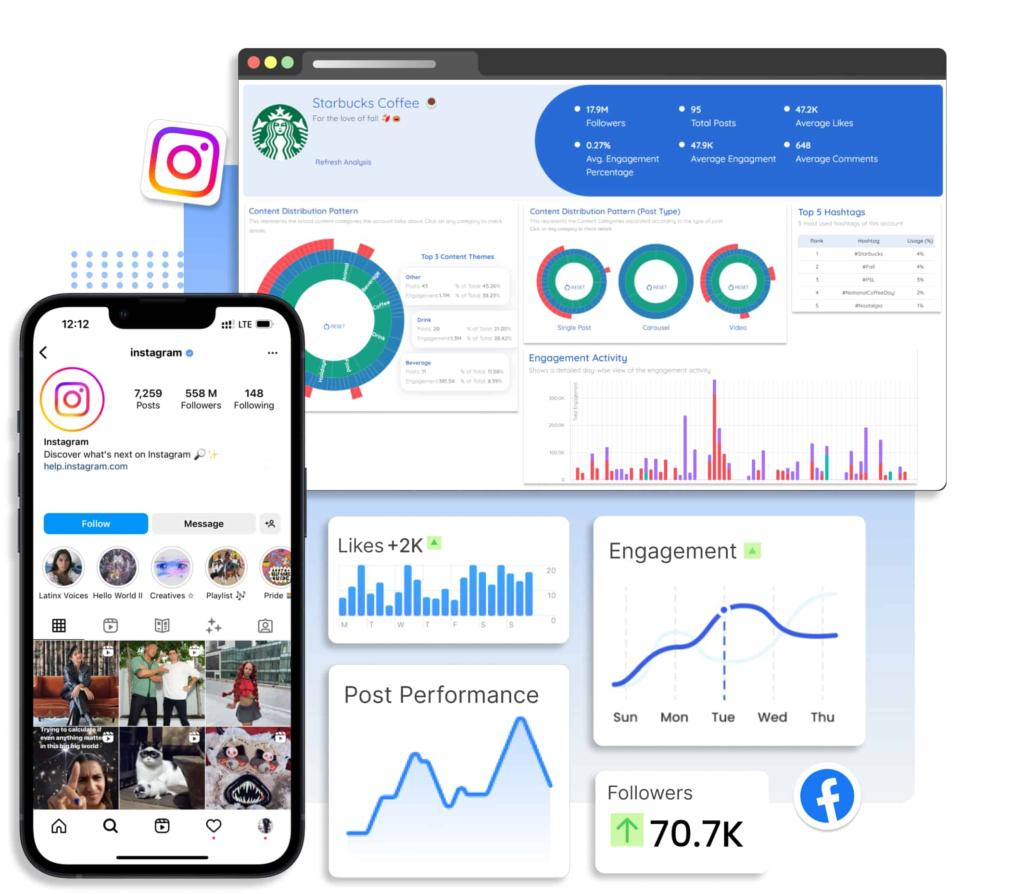
Social media platforms allow businesses to communicate directly with audiences.
Depending on the business and target audience, marketers may use platforms such as Instagram, Facebook, LinkedIn, YouTube or other relevant channels.
Students can practice:
-
- Content planning
-
- Copywriting
-
- Short-form video
-
- Community engagement
-
- Social media analytics
-
- Brand communication
-
- Content calendars
However, effective social media marketing isn’t simply about posting every day.
The important question is:
Why are you posting?
A business might post to build awareness, educate customers, generate leads, drive website traffic or support sales.
The objective should influence the content strategy.
3. Content Marketing
Content marketing focuses on creating useful, relevant content for a defined audience.
Examples include:
-
- Blog posts
-
- Videos
-
- Guides
-
- Infographics
-
- Case studies
-
- Podcasts
-
- Social media content
-
- Newsletters
For students, content marketing is an excellent way to develop communication and research skills.
For example, a student interested in technology could create a blog explaining useful software tools for beginners.
Over time, the student can learn how to research topics, understand search intent, structure articles and communicate complex ideas clearly.
4. Email Marketing
Email remains an important digital communication channel for many organizations.
Businesses can use email to:
-
- Welcome new subscribers
-
- Share educational content
-
- Promote products or services
-
- Nurture leads
-
- Announce updates
-
- Maintain customer relationships
Students can learn important concepts such as segmentation, personalization, subject lines, calls to action and campaign analytics.
5. Paid Advertising

Paid advertising allows businesses to pay for visibility on digital platforms.
Common examples include search advertising, social media advertising and display advertising.
Students learning paid advertising should understand concepts such as:
-
- Target audience
-
- Campaign objectives
-
- Ad copy
-
- Landing pages
-
- Budget
-
- Cost per click
-
- Conversion tracking
-
- Return on advertising spend
One important lesson is that advertising traffic alone doesn’t guarantee business success.
If an advertisement sends people to a confusing website or weak landing page, the campaign may not perform as expected.
This is why digital marketing needs to be connected to the wider customer journey.
6. Analytics and Data
Digital marketing becomes particularly powerful when marketers can measure what happens after people interact with their campaigns.
Analytics can help businesses understand:
-
- Where visitors come from
-
- Which pages they view
-
- How users interact with content
-
- Which campaigns generate leads
-
- Where customers leave the journey
-
- Which marketing activities need improvement
For students, learning analytics can develop an important business mindset:
Don’t just ask, “Did people see it?”
Ask:
“What happened after they saw it?”
That distinction can transform marketing from guesswork into a more measurable process.
How AIDA Can Help Students Understand Digital Marketing
The AIDA model stands for:
Attention → Interest → Desire → Action
It provides a simple way to understand how marketing communication can guide an audience.
Attention
First, you need to capture someone’s attention.
Example:
“Want to Build a Digital Marketing Career Before Graduation?”
Interest
Then provide useful information.
Explain what skills students can learn and why those skills matter.
Desire
Show the practical benefits.
For example, digital marketing knowledge can support portfolio projects, internships, freelance opportunities and business experiments.
Action
Finally, provide a clear next step.
Examples:
Start learning SEO.
Build your first marketing project.
Create your digital portfolio.
AIDA isn’t a guarantee of conversion, but it provides a useful framework for structuring marketing communication.
How Students Can Start Learning Digital Marketing
You don’t need to master every marketing discipline at once.
Start with the fundamentals.
Step 1: Learn the Basics
Understand:
-
- Marketing fundamentals
-
- Target audiences
-
- Customer journeys
-
- Branding
-
- Search intent
-
- Content strategy
-
- Conversion concepts
Step 2: Choose One Skill
Pick one area such as:
SEO, social media, content writing, email marketing, paid advertising or analytics.
Develop a foundation before moving into several areas.
Step 3: Build a Practical Project
Create something real.
For example:
-
- A personal blog
-
- A mock business website
-
- A social media campaign
-
- An SEO content project
-
- A newsletter
-
- A Google Ads practice campaign
Step 4: Document Your Work
Create a portfolio showing:
Problem → Strategy → Execution → Results → Learning
Even when you don’t have commercial client results, documenting your process can demonstrate how you think.
Digital Marketing Skills Students Can Add to Their PortfolioPaid advertising allows businesses to pay for visibility on digital platforms.
Common examples include search advertising, social media advertising and display advertising.
Students learning paid advertising should understand concepts such as:
-
- Target audience
-
- Campaign objectives
-
- Ad copy
-
- Landing pages
-
- Budget
-
- Cost per click
-
- Conversion tracking
-
- Return on advertising spend
One important lesson is that advertising traffic alone doesn’t guarantee business success.
If an advertisement sends people to a confusing website or weak landing page, the campaign may not perform as expected.
This is why digital marketing needs to be connected to the wider customer journey.
6. Analytics and Data
Digital marketing becomes particularly powerful when marketers can measure what happens after people interact with their campaigns.
Analytics can help businesses understand:
-
- Where visitors come from
-
- Which pages they view
-
- How users interact with content
-
- Which campaigns generate leads
-
- Where customers leave the journey
-
- Which marketing activities need improvement
For students, learning analytics can develop an important business mindset:
Don’t just ask, “Did people see it?”
Ask:
“What happened after they saw it?”
That distinction can transform marketing from guesswork into a more measurable process.
How AIDA Can Help Students Understand Digital Marketing
The AIDA model stands for:
Attention → Interest → Desire → Action
It provides a simple way to understand how marketing communication can guide an audience.
Attention
First, you need to capture someone’s attention.
Example:
“Want to Build a Digital Marketing Career Before Graduation?”
Interest
Then provide useful information.
Explain what skills students can learn and why those skills matter.
Desire
Show the practical benefits.
For example, digital marketing knowledge can support portfolio projects, internships, freelance opportunities and business experiments.
Action
Finally, provide a clear next step.
Examples:
Start learning SEO.
Build your first marketing project.
Create your digital portfolio.
AIDA isn’t a guarantee of conversion, but it provides a useful framework for structuring marketing communication.
How Students Can Start Learning Digital Marketing
You don’t need to master every marketing discipline at once.
Start with the fundamentals.
Step 1: Learn the Basics
Understand:
-
- Marketing fundamentals
-
- Target audiences
-
- Customer journeys
-
- Branding
-
- Search intent
-
- Content strategy
-
- Conversion concepts
Step 2: Choose One Skill
Pick one area such as:
SEO, social media, content writing, email marketing, paid advertising or analytics.
Develop a foundation before moving into several areas.
Step 3: Build a Practical Project
Create something real.
For example:
-
- A personal blog
-
- A mock business website
-
- A social media campaign
-
- An SEO content project
-
- A newsletter
-
- A Google Ads practice campaign
Step 4: Document Your Work
Create a portfolio showing:
Problem → Strategy → Execution → Results → Learning
Even when you don’t have commercial client results, documenting your process can demonstrate how you think.
Digital Marketing Skills Students Can Add to Their Portfolio

A strong student portfolio could include:
SEO Project
Keyword research + optimized article + SEO analysis.
Social Media Project
Content calendar + sample posts + performance analysis.
Content Marketing Project
Blog series + content strategy + audience research.
Paid Advertising Project
Mock campaign structure + ad copy + keyword research.
Analytics Project
Website or campaign performance report with observations.
The goal isn’t to make your portfolio look impressive through volume.
Show evidence of your thinking and learning.
Common Digital Marketing Mistakes Students Should Avoid
1. Trying to Learn Everything at Once
SEO, PPC, social media, analytics, email and content marketing can feel overwhelming.
Build your knowledge step by step.
2. Focusing Only on Certificates
Certificates can demonstrate learning, but practical projects can help demonstrate application.
3. Copying Other Marketers
Learn from successful campaigns, but develop your own understanding.
4. Ignoring Analytics
Without measurement, it becomes difficult to understand whether a strategy is achieving its objective.
5. Chasing Every Trend
Not every new platform or trend is relevant to every business.
Start with the audience and business objective.
Career Opportunities in Digital Marketing
Digital marketing can connect to several career paths, including:
-
- SEO specialist
-
- Content writer
-
- Social media specialist
-
- Digital marketing executive
-
- PPC specialist
-
- Email marketing specialist
-
- Content strategist
-
- Marketing analyst
-
- Digital marketing consultant
-
- Growth marketing roles
Actual responsibilities and requirements vary by employer and role.
Students can improve their employability by combining digital marketing knowledge with skills such as communication, analytical thinking, creativity and basic business understanding.
The Future of Digital Marketing & Business
Digital marketing continues to evolve alongside technology, consumer behavior and business models.
Students should therefore focus on adaptability, not simply memorizing today’s tools.
Emerging areas include:
-
- Artificial intelligence in marketing
-
- Marketing automation
-
- First-party data strategies
-
- Personalization
-
- Video marketing
-
- Conversational experiences
-
- Advanced analytics
-
- Search evolution
-
- Omnichannel marketing
The tools will change.
The fundamentals—understanding customers, communicating value, creating useful content and measuring outcomes—remain important.
Final Thoughts: Start Before You Feel Ready
Digital Marketing & Business can provide students with a practical way to connect classroom concepts with real-world marketing.
You don’t need to become an expert immediately.
Start with one skill.
Learn the fundamentals.
Create a project.
Measure what you can.
Document your results.
Learn from mistakes.
Then repeat the process.
The students who develop a habit of learning, experimenting and adapting can build a much stronger foundation than those who simply collect information without applying it.
So if you’re interested in digital marketing, don’t wait for the “perfect” time to start.
Create your first project today.
Your first project may not be perfect—and that’s exactly how practical learning begins.
SEO Optimization Details
Primary Keyword:
Digital Marketing & Business
Secondary Keywords:
A strong student portfolio could include:
SEO Project
Keyword research + optimized article + SEO analysis.
Social Media Project
Content calendar + sample posts + performance analysis.
Content Marketing Project
Blog series + content strategy + audience research.
Paid Advertising Project
Mock campaign structure + ad copy + keyword research.
Analytics Project
Website or campaign performance report with observations.
The goal isn’t to make your portfolio look impressive through volume.
Show evidence of your thinking and learning.
Common Digital Marketing Mistakes Students Should Avoid
1. Trying to Learn Everything at Once
SEO, PPC, social media, analytics, email and content marketing can feel overwhelming.
Build your knowledge step by step.
2. Focusing Only on Certificates
Certificates can demonstrate learning, but practical projects can help demonstrate application.
3. Copying Other Marketers
Learn from successful campaigns, but develop your own understanding.
4. Ignoring Analytics
Without measurement, it becomes difficult to understand whether a strategy is achieving its objective.
5. Chasing Every Trend
Not every new platform or trend is relevant to every business.
Start with the audience and business objective.
Career Opportunities in Digital Marketing
Digital marketing can connect to several career paths, including:
-
- SEO specialist
-
- Content writer
-
- Social media specialist
-
- Digital marketing executive
-
- PPC specialist
-
- Email marketing specialist
-
- Content strategist
-
- Marketing analyst
-
- Digital marketing consultant
-
- Growth marketing roles
Actual responsibilities and requirements vary by employer and role.
Students can improve their employability by combining digital marketing knowledge with skills such as communication, analytical thinking, creativity and basic business understanding.
The Future of Digital Marketing & Business
Digital marketing continues to evolve alongside technology, consumer behavior and business models.
Students should therefore focus on adaptability, not simply memorizing today’s tools.
Emerging areas include:
-
- Artificial intelligence in marketing
-
- Marketing automation
-
- First-party data strategies
-
- Personalization
-
- Video marketing
-
- Conversational experiences
-
- Advanced analytics
-
- Search evolution
-
- Omnichannel marketing
The tools will change.
The fundamentals—understanding customers, communicating value, creating useful content and measuring outcomes—remain important.
Final Thoughts: Start Before You Feel Ready
Digital Marketing & Business can provide students with a practical way to connect classroom concepts with real-world marketing.
You don’t need to become an expert immediately.
Start with one skill.
Learn the fundamentals.
Create a project.
Measure what you can.
Document your results.
Learn from mistakes.
Then repeat the process.
The students who develop a habit of learning, experimenting and adapting can build a much stronger foundation than those who simply collect information without applying it.
So if you’re interested in digital marketing, don’t wait for the “perfect” time to start.
Create your first project today.
Your first project may not be perfect—and that’s exactly how practical learning begins.https://chatgpt.com/